
What percentage of global permanent magnet production does China currently account for?
Select one answer.
The problem with single-source rare earth supply chains
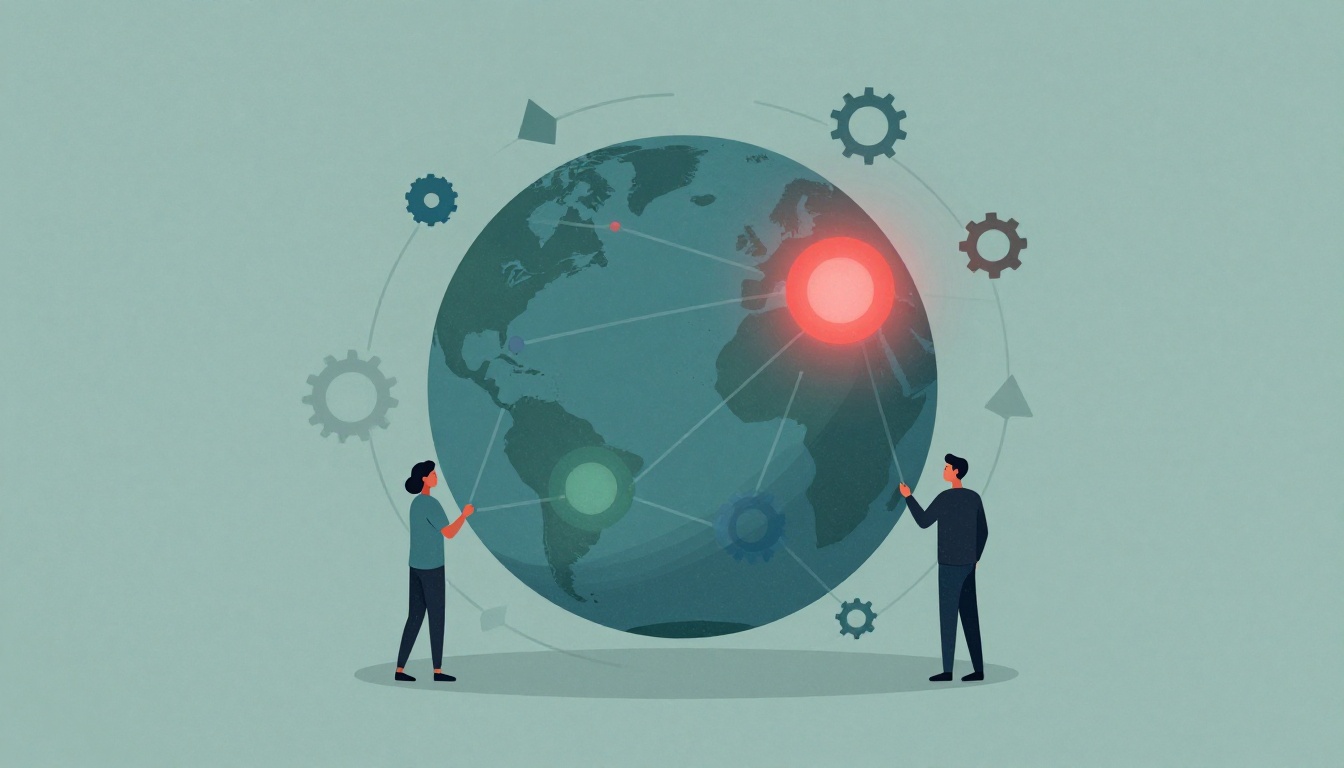
If you source rare earth minerals for manufacturing, you already know the risk: China controls roughly 60% of global mined production of magnet rare earths, more than 90% of refining, and 95% of permanent magnet production (SupplyChainBrain). That concentration creates real exposure. When Beijing imposed semiconductor export controls in 2025, carmakers in the U.S. and Europe idled factories waiting for shipments. Even though some restrictions were later paused, the message was clear — single-source supply chains are fragile.
Demand for magnet rare earths is expected to increase by more than 30% by 2030 (IEA via SupplyChainBrain). The question isn't whether you need to diversify — it's how.
Three strategies to reduce geopolitical risk
1. Invest in diversified processing hubs
The United States is already forging strategic international partnerships to strengthen and diversify rare earths supply chains (CSIS). The IEA estimates that around $60 billion of investment will be needed over the next decade to develop diversified supply chains (IEA). As a buyer, you can reduce risk by:
- Sourcing from multiple processing hubs outside China (e.g., Australia, United States, Europe)
- Auditing suppliers for their own diversification plans
- Locking in long-term contracts with non-Chinese refiners
2. Adopt rare earth recycling and recovery
Recycling rare earth metals from e-waste and industrial scrap offers a circular alternative to virgin mining. Extracting just one ton of rare earth elements can produce up to 2,000 tons of toxic waste (Okon Recycling). Cutting-edge technologies like bioleaching use microorganisms to recover rare earths from discarded electronics, reducing both environmental damage and supply chain dependence.
Actionable steps:
- Partner with recyclers that specialize in rare earth recovery from magnets and electronics
- Design products for easier disassembly and material recovery
- Include recycled content requirements in procurement contracts
3. Switch to alternative materials
Several viable substitutes can reduce or eliminate the need for rare earth elements in key applications:
- Iron nitride magnets — offer a maximum energy product of 1150 kJ/m³ and a Curie temperature of 540°C, outperforming many traditional magnets while using abundant, inexpensive raw materials (Okon Recycling)
- Manganese aluminum carbide (MnAlC) — another promising rare-earth-free magnet material
- High-performance ferrite magnets — developed by companies like Proterial, these can replace neodymium in EV engines (Japan Forward)
- Ceramic magnets, graphene, aluminum alloys, and alternate phosphors — emerging as strong challengers for various applications (Rare Earth Exchanges)
Actionable steps:
- Evaluate which of your products can use iron nitride or ferrite magnets today
- Request samples from alternative material suppliers
- Redesign specifications to allow for material substitution without performance loss
A practical checklist for procurement teams
- Map your current rare earth exposure — identify which products and suppliers depend on Chinese-sourced materials
- Set diversification targets — aim for at least two non-Chinese sources for each critical material by 2028
- Include recycling clauses — require suppliers to use a minimum percentage of recycled rare earths
- Test alternatives — run pilot programs with iron nitride or ferrite magnets in non-critical applications
- Monitor policy changes — track export controls and trade agreements that affect rare earth availability
How the Featured Expert Can Help
Mindmingle is a commodity trading platform that connects buyers with high-value commodities such as petroleum, soybean oil, sugar, and jet fuel at manufacturer prices. While rare earth minerals are not currently in their portfolio, their model of direct manufacturer relationships and supply chain transparency can inform your broader sourcing strategy. Visit mindminglecommodities.com to learn how streamlined procurement works for bulk commodities.
Quiz
What percentage of global permanent magnet production does China currently account for?