
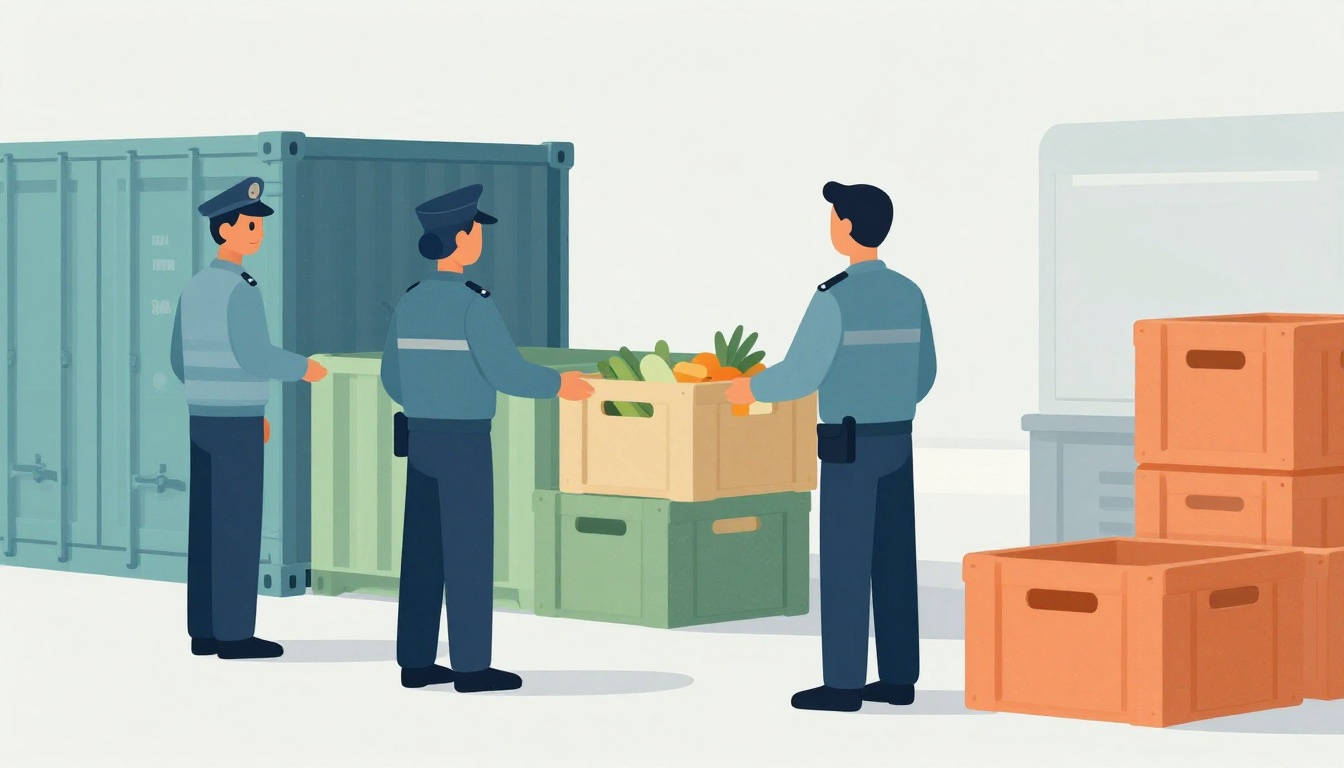
If you import agricultural commodities like beef, sugar, or olives, you've likely felt the ground shift under your feet. New customs rules and stricter enforcement took effect in 2026, and they directly affect how you file entries, manage quotas, and prove compliance.
Failure to adapt means delayed shipments, unexpected duties, or even denial of entry. But with the right playbook, you can stay ahead.
Which of the following is a key change to U.S. customs rules in 2026?
Select one answer.
What changed in 2026
On June 24, 2026, CBP issued interim final rules that indefinitely suspended the $800 de minimis exemption for imports. That means nearly every commercial shipment now requires a formal entry and duty payment.
At the same time, a new Executive Order (14411) on strengthening customs enforcement requires importers of record (IORs) to be in "good standing" with CBP. If your IOR status is flagged, you could lose the ability to import altogether.
CBP also published updated quota bulletins for 2026 covering beef, refined sugar, olives, tuna, and CAFTA-DR agricultural goods. Each bulletin specifies quantity thresholds, required HTS numbers, and new documentation rules.
Your compliance checklist
Here are the concrete steps you need to take right now:
- Verify your IOR standing. Check with CBP that your importer of record is in good standing. If not, resolve any flags immediately.
- Review the 2026 quota bulletins. Visit CBP's Quota Bulletins page and find the bulletins for your specific commodities.
- Update your HTS classifications. Each quota bulletin lists the correct Harmonized Tariff Schedule numbers. Using outdated codes can trigger holds.
- Secure electronic certificates where required. For example, beef imports from Argentina, Australia, New Zealand, and Uruguay now require an e-CERT to qualify for in-quota tariff rates.
- Audit your supply chain documentation. Ensure certificates of origin, forced labor affidavits, and product safety records are complete and accessible.
- Plan for longer clearance times. With de minimis suspended, more shipments will go through formal entry. Build extra lead time into your logistics.
Common pitfalls to avoid
- Assuming your old quota allocation still applies. Quota proration rules change annually. Check the latest bulletin for your commodity.
- Ignoring the new IOR good standing requirement. Even one compliance slip can freeze your imports.
- Failing to coordinate with your customs broker. Share the new rules with your broker and confirm they have updated their procedures.
How the Resident Expert Can Help
Navigating these new customs rules doesn't have to be a solo effort. The team at Mindmingle understands the complexities of agricultural import compliance. They connect you with verified suppliers and provide logistics support that keeps your shipments moving. Whether you're sourcing soybean oil, sugar, or other bulk commodities, their platform helps you stay compliant while optimizing your supply chain.
Quiz: Test your knowledge
Which of the following is a key change to U.S. customs rules in 2026?
A. The de minimis exemption was raised to $1,200 B. The $800 de minimis exemption was indefinitely suspended C. All agricultural imports now require a physical inspection