When you source bulk commodities from overseas suppliers, how can you be certain that what arrives at your port matches the specifications in your contract? Relying on a supplier's self-inspection or your own remote oversight leaves room for bias and costly oversights. Third-party inspections offer an independent, unbiased evaluation of product quality, safety, and compliance, helping you catch issues before they become expensive problems. This guide explains how to use third-party inspections to verify supplier quality and choose the right inspection partner.
Which accreditation is commonly cited as a key credential for third-party inspection agencies?
Select one answer.
What is a third-party inspection?
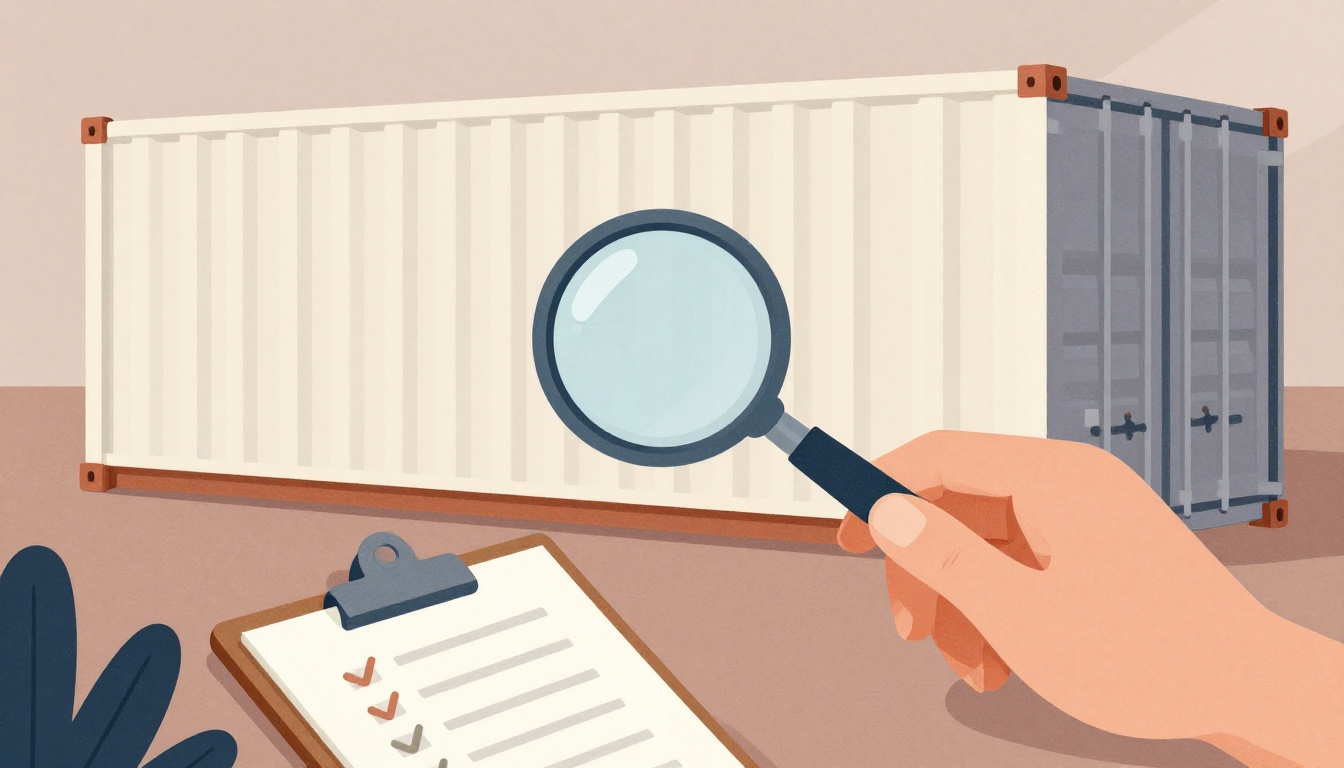
A third-party inspection (TPI) is an independent evaluation conducted by an external organization that has no financial interest in the transaction. Unlike first-party inspections (performed by the manufacturer) or second-party inspections (conducted by the buyer), third-party inspections remove potential bias and conflicts of interest, ensuring that assessments are based purely on facts and compliance with relevant standards. Accredited agencies, often certified under ISO 17020, bring impartiality and high levels of expertise, making their inspection services trusted across industries. This independence is critical for verifying that your supplier meets contractual and technical requirements.
Why third-party inspections matter for commodity buyers
For wholesalers and distributors, the stakes are high. A single defective shipment can disrupt your operations, damage your reputation, and incur fines for non-compliance. Third-party inspections help you prevent potential issues early on, avoiding delays, extra costs, and loss of consumer confidence. By ensuring product quality before shipment, you can maintain leaner inventories, reduce storage expenses, and protect your brand. Moreover, inspections provide documented proof of compliance, which is essential for building trust with your own customers and meeting international standards like ISO, ASME, or API.
How to choose the right third-party inspection company
Selecting the right inspection partner is a critical business decision. Here are the key factors to consider:
- Accreditation and certifications: Look for agencies accredited under ISO/IEC 17020 for inspection bodies or ISO 9001 for quality management systems. These credentials ensure the agency operates with recognized standards and impartiality.
- Industry experience: Choose a company with deep experience in your specific commodity sector, whether it's petroleum, agricultural products, or industrial raw materials. An agency that understands your industry's complexities will catch issues that a generalist might miss.
- Geographic presence: A global network with local inspectors reduces travel time and ensures that inspections are performed by experts with essential local knowledge. This is especially important when sourcing from multiple regions.
- Range of services: A comprehensive inspection company should offer pre-production, during-production, pre-shipment, and container loading inspections. This full service scope allows consistent quality monitoring throughout the entire production cycle.
- Transparent reporting: Reliable companies provide clear, photographic evidence, measurable defect data, and objective grading of quality standards. Request sample reports to evaluate their thoroughness.
The inspection process: what to expect
A typical third-party inspection follows a structured process:
- Request for inspection: You provide product details, specifications, and quantities.
- Agency review: The agency assesses whether they have the competency to meet your requirements.
- Contract agreement: Costs and terms are formalized.
- Inspection execution: The agency performs the inspection, which may include document review, material verification, in-process checks, and final testing.
- Report issuance: You receive a detailed report with findings and recommendations.
Actionable steps to implement third-party inspections
To integrate third-party inspections into your sourcing workflow:
- Define clear specifications: Before engaging an inspector, ensure your product specifications and quality standards are documented and agreed upon with the supplier.
- Schedule inspections at key stages: Don't wait for pre-shipment. Consider during-production inspections to catch issues early and allow for corrective action.
- Use inspections as a negotiation tool: A third-party inspection report gives you objective data to negotiate with suppliers on quality issues or price adjustments.
- Build a supplier scorecard: Track inspection results over time to identify reliable suppliers and those that need improvement.
Quiz: Test your knowledge
Which accreditation is commonly cited as a key credential for third-party inspection agencies?
- ISO 17020
- ISO 9001
- ASME
Correct answer: ISO 17020. Accredited third-party agencies are often certified under ISO 17020, which guarantees impartiality and expertise.
How the Featured Expert Can Help
Mindmingle is a commodity trading platform that connects buyers with high-value commodities such as petroleum, soybean oil, sugar, and jet fuel at manufacturer prices. It offers bulk purchasing options and claims to streamline wholesale operations for distributors and wholesalers worldwide. To learn more about sourcing verified commodities, visit mindminglecommodities.com.