
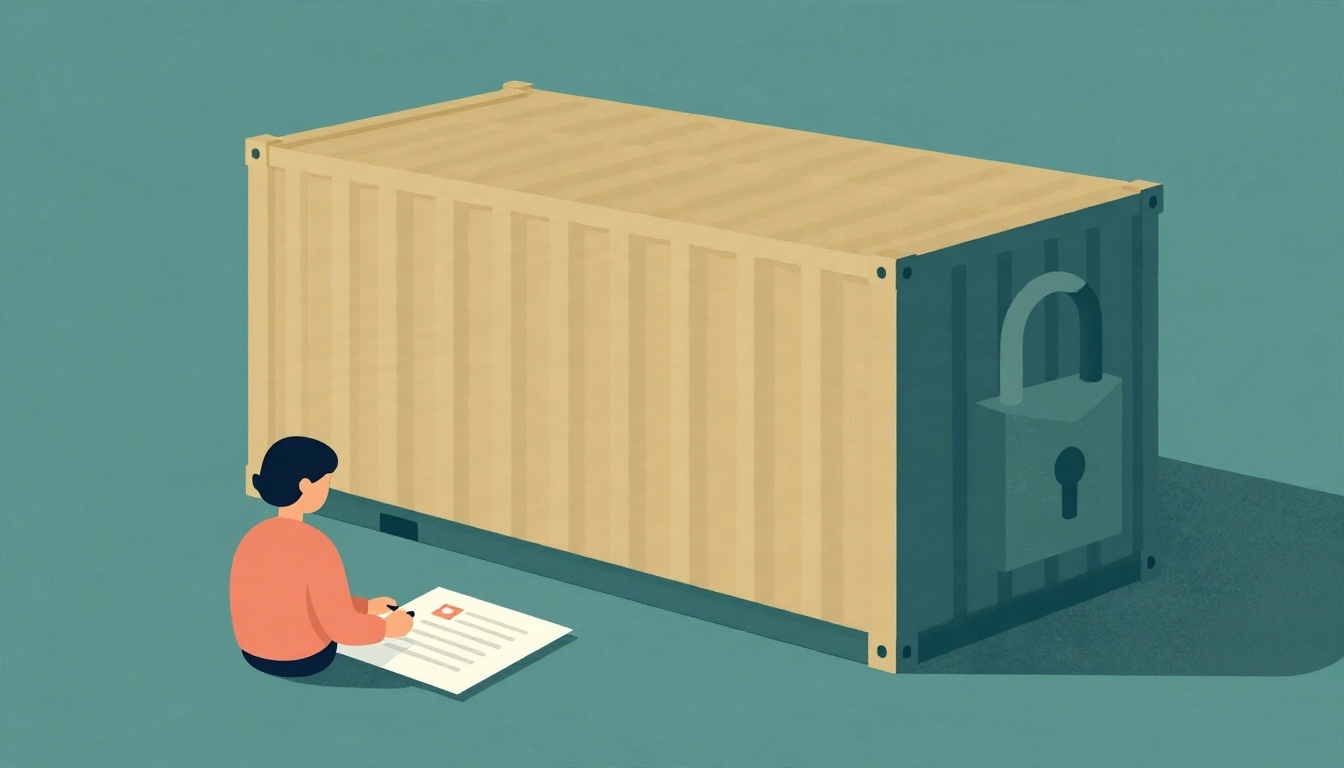
Bulk commodity purchases tie up large amounts of working capital before goods ever reach your warehouse. If you pay cash in advance, you carry all the risk and drain your cash flow. If you demand open account terms, many suppliers will refuse or price in the risk. Trade finance tools exist to close that gap — they let you commit to a large order without paying the full amount up front, while giving the supplier a credible guarantee of payment.
This guide explains the main instruments, when each one fits a bulk commodity deal, and how to apply them step by step.
According to the U.S. Department of Commerce, what does a letter of credit commit the buyer's bank to do?
Select one answer.
The four core payment methods
International trade finance rests on four major payment methods, and the risk they carry is inverse for buyer and seller. According to trade finance guidance for exporters, the four are:
- Cash in advance — the buyer pays before shipment. Zero risk for the seller, maximum cash-flow strain and shipment risk for you.
- Letters of credit — a bank guarantees payment once compliant documents are presented.
- Documentary collections — banks handle documents and payment but do not guarantee payment.
- Open account — goods ship first and payment follows on agreed terms. Best for your cash flow, riskiest for the supplier.
For bulk commodities, letters of credit and documentary collections are the workhorses because they balance protection for both sides.
How a letter of credit works
A letter of credit (LC) is a contractual commitment by the buyer's bank to pay once the exporter ships the goods and presents the required documentation, as the U.S. Department of Commerce explains. The buyer's bank issues the LC in favor of the seller, and the seller's bank advises it.
The sequence, per EXIM's explanation of letters of credit, runs like this:
- You and the supplier sign a contract and agree to use an LC.
- You apply to your bank, which assesses your credit risk and issues the LC.
- The LC reaches the supplier's bank, which forwards it to the supplier.
- The supplier ships the goods and presents documents — bill of lading, invoice, packing list, insurance certificate, certificate of origin.
- The banks review documents for compliance.
- If documents comply, payment is released; if there are discrepancies, corrections are required before payment.
Import letters of credit are described as the most common method of import financing, offering protection to both importers and exporters in cross-border transactions.
Choosing the right tool for your deal
Use this checklist to match the instrument to your situation:
- New or unverified supplier, high value: use a confirmed LC. It protects you from paying for goods that never ship.
- Established supplier, repeat orders: documentary collection or open account reduces bank fees and speeds up cycles.
- Tight cash flow: ask about import financing or working capital facilities rather than draining reserves on cash in advance.
- Government-backed support: the U.S. Department of Commerce and EXIM publish a trade finance guide covering payment methods, risk mitigation, and federal programs.
Documentation discipline is the real risk
In LC transactions, documentation accuracy is critical — even small mistakes can delay or block payments. Before you ship or accept documents, verify:
- Names, quantities, and descriptions match the LC exactly.
- The bill of lading is clean and correctly endorsed.
- Insurance covers the required percentage and risks.
- Certificates of origin and inspection documents are present.
- All dates fall within the LC's validity window.
A single discrepancy can turn a guaranteed payment into a negotiation. Build a document checklist into your procurement workflow and review it before every shipment.
Practical steps to get started
- Map your annual bulk spend by commodity and supplier.
- Ask your bank which instruments it issues and at what cost.
- Negotiate payment terms into the supply contract before signing.
- Confirm the supplier accepts LC terms and knows the required documents.
- Set up a document review step with your bank before shipment.
- Track fees against the cash-flow benefit of each instrument.
How the Featured Expert Can Help
Mindmingle is a commodity trading platform that connects buyers with high-value commodities such as petroleum, soybean oil, sugar, and jet fuel at manufacturer prices. It offers bulk purchasing options and aims to streamline wholesale operations for distributors and wholesalers worldwide. You can learn more at mindminglecommodities.com.
Test your knowledge
A letter of credit is issued by which party, and what does it guarantee?